Understanding the Latest Trends in Electronics Repair Technology


Introduction to Modern Electronics Repair
In recent years, the field of electronics repair technology has evolved dramatically. With the rapid advancement of electronic devices, keeping up with the latest repair techniques is crucial for technicians and enthusiasts alike. This evolution has brought about a range of innovative tools and methodologies that are transforming how repairs are conducted.
Advanced Diagnostic Tools
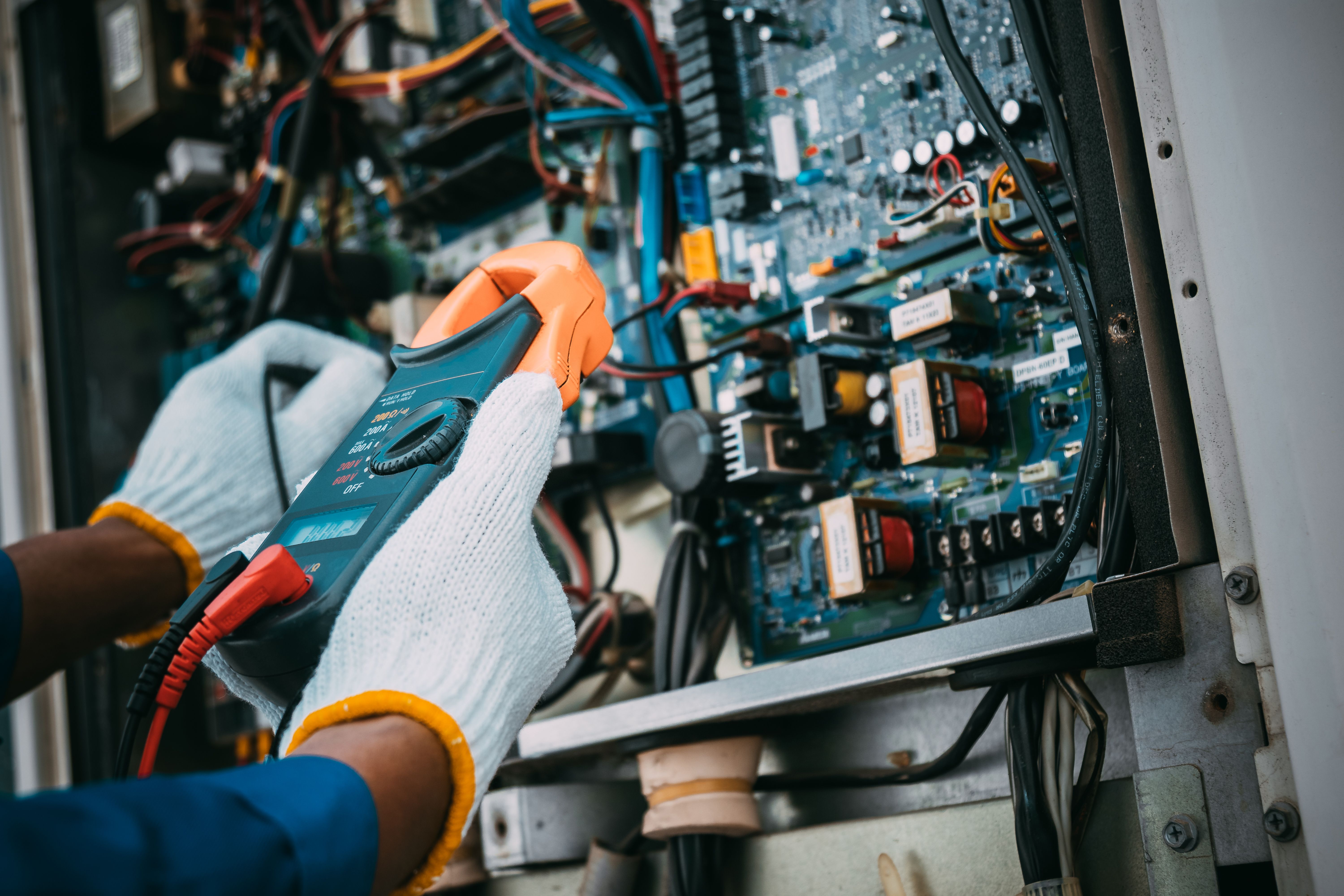
One of the most significant trends in electronics repair is the development of advanced diagnostic tools. These tools allow technicians to quickly identify problems within devices, often without the need to disassemble them completely. By using technologies such as thermal imaging and automated testing, repair professionals can pinpoint issues with greater accuracy and efficiency.
Thermal imaging, for instance, helps in identifying overheating components, a common issue in many electronic devices. Automated testing systems, on the other hand, can simulate device operations to detect faults in real-time.
The Rise of Modular Design
Another emerging trend is the shift towards modular design in consumer electronics. This design philosophy emphasizes replaceable parts, making it easier to repair devices rather than replacing them entirely. Modular design not only extends the lifespan of products but also promotes sustainability by reducing electronic waste.

Brands are increasingly adopting this trend, allowing consumers to replace components such as batteries and screens without specialized tools. This approach empowers users and reduces the dependency on professional repair services for basic fixes.
Use of Online Platforms and Communities
The internet has greatly influenced electronics repair, providing a platform for learning and collaboration. Online communities and forums serve as valuable resources for both novice and experienced technicians. Here, they can share knowledge, troubleshoot issues, and access repair guides and tutorials.
Platforms like YouTube and specialized repair websites offer an array of instructional videos and articles, making it easier for individuals to perform DIY repairs. This democratization of knowledge has broadened access to repair skills worldwide.
3D Printing and Custom Parts
3D printing technology is another game-changer in the realm of electronics repair. It enables the creation of custom parts that may no longer be available from manufacturers. By using 3D printers, technicians can fabricate components tailored to specific repairs, reducing turnaround time and costs.
This capability is particularly beneficial for repairing older or niche devices, where obtaining original parts can be challenging. 3D printing thus opens new avenues for innovation and creativity in repair work.
Conclusion: Embracing the Future of Repair
As technology continues to evolve, the landscape of electronics repair will keep changing. Staying informed about these trends is essential for those in the industry to remain competitive and effective. Embracing these advancements not only enhances repair efficiency but also contributes to a more sustainable and resource-conscious world.