Understanding the Latest Trends in Electronics Repair Technology


Introduction to Electronics Repair Technology
In recent years, the field of electronics repair has undergone significant transformations. With rapid advancements in technology, repair practices must adapt to keep up with new innovations. Understanding these trends is crucial for both professionals and consumers who rely on these technologies daily.
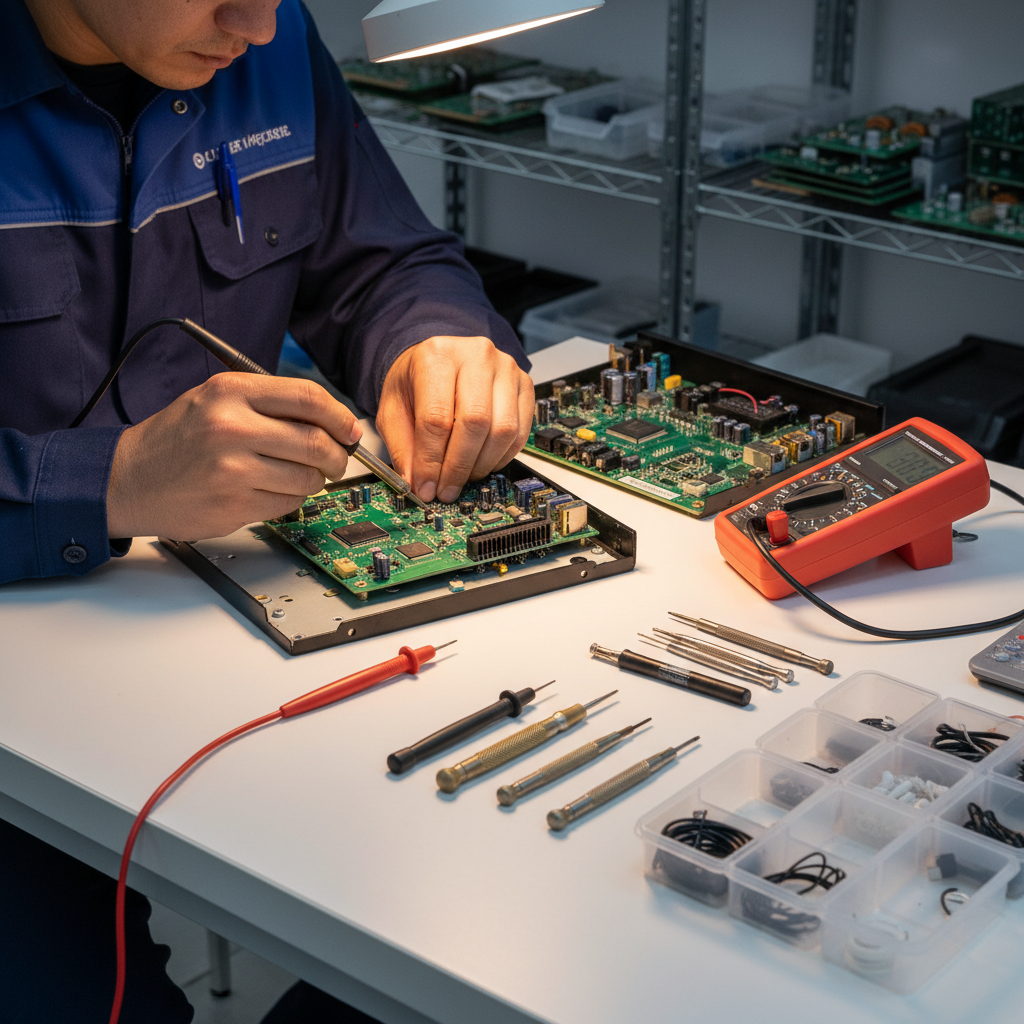
Emphasis on Sustainability
One of the most prominent trends is the increased focus on sustainability. Consumers and companies alike are prioritizing eco-friendly practices, leading to a rise in the repair and refurbishment of electronic devices. This not only extends the lifespan of products but also reduces electronic waste significantly.
Many manufacturers are now offering repair kits and guides, empowering users to fix their own devices. This trend is further supported by legislation in some regions promoting the "right to repair," ensuring access to necessary tools and information.
Advanced Diagnostic Tools
The introduction of sophisticated diagnostic tools has revolutionized the repair process. These tools enable technicians to quickly identify and address issues, reducing repair times and improving efficiency. Innovations such as AI-driven diagnostics are becoming more prevalent, offering precise fault detection in complex devices.

Technological advancements also allow remote diagnostics, where technicians can assess problems without needing physical access to the device. This capability is especially beneficial in situations where immediate repairs are not possible.
Rise of Smart Devices
With the proliferation of smart devices, repair professionals must stay updated on the latest technologies. Smart home devices, wearables, and IoT gadgets require specialized knowledge for effective repair and maintenance. Professionals are increasingly required to possess skills in software troubleshooting alongside traditional hardware repairs.
The integration of software and hardware in these devices means that repair practices must evolve to address both components effectively. Continuous education and training in the latest smart technologies are becoming essential for repair technicians.

Innovative Repair Techniques
New repair techniques are emerging, driven by technological advancements. Techniques such as micro-soldering allow for the repair of intricate components on a microscopic level, saving devices that would otherwise be deemed irreparable. These methods require specialized equipment and expertise but offer valuable solutions for complex repairs.
Additionally, the use of 3D printing in electronics repair is gaining traction. This technology enables the creation of custom parts, facilitating repairs that were previously difficult or impossible. The ability to produce parts on-demand significantly reduces costs and wait times for consumers.
Conclusion
The electronics repair industry is evolving rapidly, influenced by technological advancements and a growing emphasis on sustainability. Staying informed about these trends is essential for professionals and consumers alike. As new tools and techniques emerge, the future of electronics repair looks promising, offering more efficient, sustainable, and accessible solutions for all.